6 Surprising Fuel Delivery Benefits You Should Know
November 19, 2026
In today's fast-paced economy, convenience and operational agility have become paramount for sustaining personal productivity and commercial success. One area where efficiency has evolved most dramatically is in professional fuel delivery logistics, offering transformative advantages to households, independent contractors, and major fleet enterprises alike. While most people assume direct energy provisioning is purely a matter of personal comfort, its positive impacts are far-reaching, directly bolstering safety standards, capital management, ecological health, digital transparency, and enterprise agility. Understanding these distinct facets ensures that property owners and corporate leadership make proactive decisions in an evolving industrial landscape.
Moving away from the antiquated ritual of queuing at neighborhood retail pumps reveals immense operational value across daily routines. Homeowners no longer need to brave inclement weather to keep emergency backup generators prepared, and enterprise operators avoid losing productive employee hours to traffic detours. The seamless integration of specialized hauling assets and digital routing tools converts liquid fuel procurement into a fully turnkey, automated utility. Exploring the multifaceted advantages of this modern logistics model demonstrates how scheduled bulk support reorganizes routine maintenance into a strategic competitive advantage.
1. Streamlining Daily Schedule Convenience
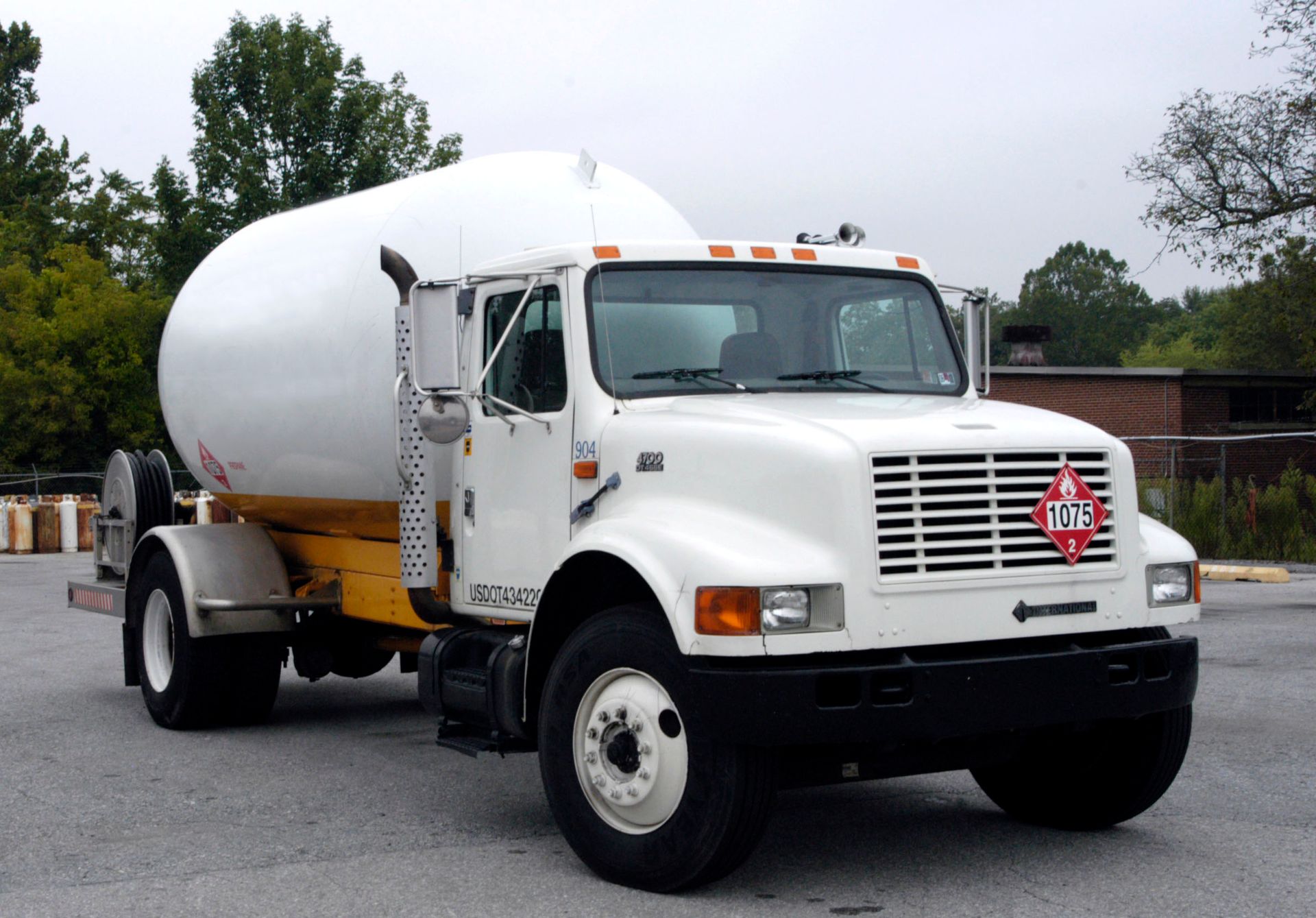
Direct on-site energy replenishment offers the ultimate logistical convenience by delivering vital hydrocarbons straight to your home driveway or corporate distribution center. This on-demand framework is extraordinarily advantageous for busy individuals managing tight schedules or enterprise managers tasked with keeping dozens of heavy vehicles moving on time. By eliminating physical trips to congested retail stations, property owners avoid idling in vehicle queues, wrestling with damaged payment terminals, or maneuvering oversized machinery through cramped forecourts. This immediate on-site replenishment establishes total freedom from station operating hours, guaranteeing that engines, commercial equipment, and stationary power reserves remain perpetually prepped for duty.
Furthermore, versatile scheduling options allow consumers to dictate the precise cadence of their orders, aligning drop-offs with low-activity intervals such as overnight parking or weekend shutdowns. Utilizing modern fuel delivery allows customers to align replenishment seamlessly with custom operational cycles rather than relying on standard service stations that disrupt active daily itineraries. The entire requisition workflow is executed contactlessly via digital applications, eliminating physical paper receipts and manual payment exchanges while generating automated timestamped records. This round-the-clock accessibility provides absolute peace of mind, empowering fleet dispatchers and private homeowners to bypass logistics bottlenecks and concentrate entirely on their primary obligations.
2. Elevating Safety and Risk Mitigation
Transitioning away from physical retail filling stations dramatically minimizes human exposure to everyday safety hazards and congested roadside traffic corridors. Limiting personal trips to public filling facilities substantially lowers the likelihood of parking lot collisions, robberies in poorly illuminated urban areas, and slip-and-fall injuries on slippery, grease-coated concrete pads. For commercial transport operations, cutting non-essential transit miles across busy surface streets naturally lowers the cumulative probability of vehicular accidents. Keeping vehicles staged within secure, controlled company yards safeguards personnel while actively advancing broader community safety and municipal traffic reduction initiatives.
Moreover, having professional, licensed hazardous material technicians handle fuel transfers mitigates the risk of catastrophic spills, static electrical ignitions, and toxic vapor inhalation. Certified delivery crews adhere to rigorous federal transport protocols, utilizing specialized vapor-recovery nozzles, heavy-duty grounding cables, and integrated automatic shutoff valves to prevent spills. Their specialized training ensures that complex transfers into heavy earthmovers or basement backup heating tanks are executed with uncompromising environmental compliance. In times of natural disasters or grid collapses, setting up an ongoing fuel delivery arrangement with a qualified local provider ensures that essential emergency generators remain operational without putting staff in harm's way.
3. Maximizing Long-Term Capital Efficiency
Adopting scheduled bulk energy distribution unlocks considerable financial advantages through transparent market pricing structures, volume discounting, and the eradication of retail convenience markups. Standard roadside stations impose substantial price fluctuations due to credit processing charges, local real estate rents, and retail overhead expenses. In sharp contrast, commercial bulk provisioning provides transparent wholesale pricing models that empower business financial planners to project their ongoing overhead with exceptional accuracy. Purchasing bulk energy volumes directly shields operational balance sheets from sudden retail price volatility, generating substantial cumulative cost reductions that can be strategically redirected into core enterprise expansion.
Eliminating unnecessary transit detours and idling episodes also creates substantial secondary savings by reducing mechanical wear and tear on automotive powertrains. Frequent low-speed stop-and-go travel to commercial pumps accelerates engine oil contamination, brake wear, and transmission degradation, demanding more frequent mechanical servicing. Advanced consumption metrics are crucial given that, according to NACS, U.S. crude oil and liquid fuels consumption was expected to average about 20.6 million barrels per day in 2025, making the U.S. the world’s largest single-country consumer and reflecting sustained demand for transportation fuels like diesel. Consolidating off-site fueling events through scheduled fuel delivery prolongs vehicle longevity while saving thousands of dollars in cumulative labor expenses previously lost to unproductive pump visits.
4. Reducing Collective Environmental Footprints
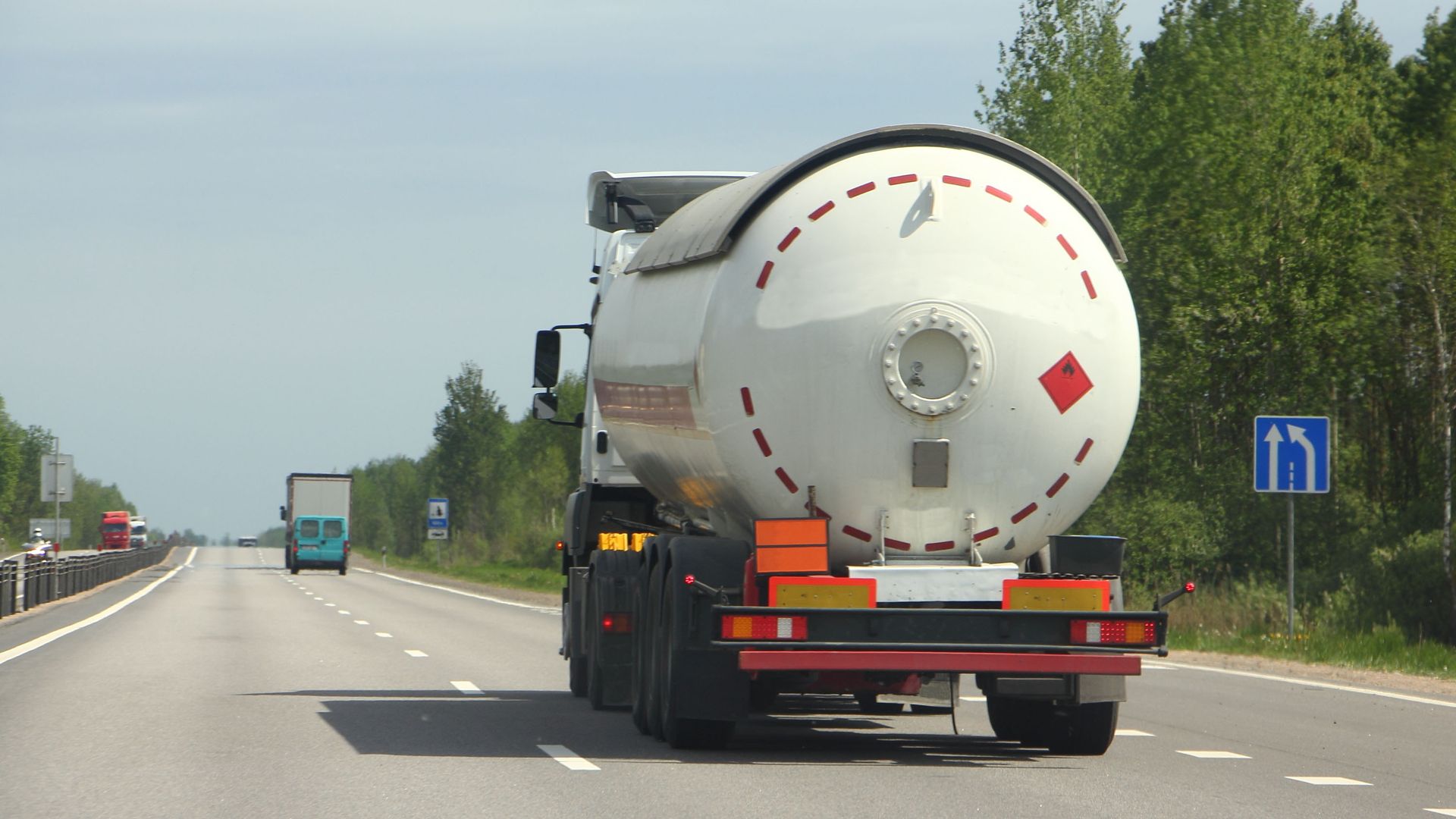
Consolidating energy distribution into strategic, route-optimized drop-offs delivers a notable reduction in total carbon dioxide and nitrogen oxide emissions. When multiple utility trucks, delivery vans, or personal vehicles make individual round trips to retail filling pumps, they needlessly burn gallons of hydrocarbons in heavy stop-and-go traffic. A single certified tank vehicle can systematically replenish an entire neighborhood or commercial fleet in a single stop, drastically shrinking the collective traffic footprint. This logistical optimization directly aligns with modern corporate sustainability governance and municipal clean-air initiatives designed to curb local environmental impacts.
In addition to eliminating transit miles, on-site energy replenishment significantly lowers ambient air pollution by eradicating prolonged engine idling times at traditional retail pumps. Vehicle engines that idle while drivers wait for an open pump emit substantial volumes of greenhouse gases and particulate matter into surrounding urban corridors. Furthermore, professional on-site distribution networks actively facilitate the widespread adoption of cleaner-burning alternative energy products, including low-sulfur blends, renewable diesel, and advanced biodiesel formulations. Supplying eco-conscious households and industrial facilities with cleaner burning fuels through direct fuel delivery encourages sustainable energy stewardship without requiring expensive retrofits to existing powertrain systems.
5. Integrating Advanced Logistics Technology
The modern fuel delivery framework incorporates advanced digital platforms that provide unprecedented real-time visibility into overall energy inventory. Mobile applications and secure web interfaces allow dispatchers to track the exact geographic status of service tankers, review arrival estimates, and automate delivery scheduling without making phone calls. Wireless cellular tank telemetry monitors real-time fuel levels inside remote storage reservoirs, instantly notifying providers when reserves reach critical thresholds. This seamless digital coordination eliminates emergency fuel outages entirely, giving residential property managers and industrial operators effortless oversight over complex liquid energy reserves.
6. Empowering Agile Fleet Operations
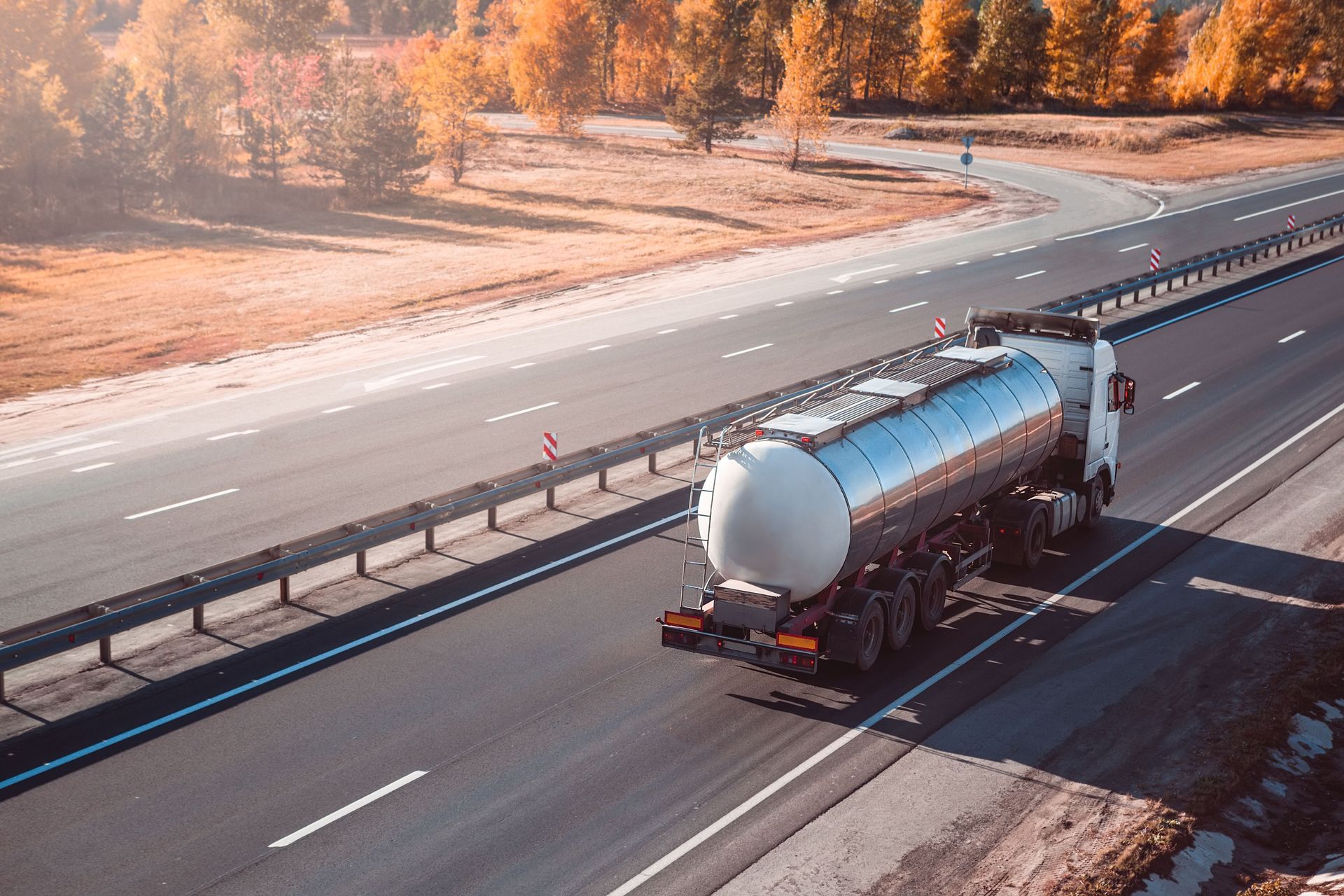
Securing an uninterrupted energy supply chain is an indispensable requirement for keeping high-tempo transportation, logistics, and construction businesses profitable. When heavy machinery or delivery trucks sit idle waiting for fuel runs, project timelines slip, supply chains stall, and valuable labor hours are permanently squandered. Dedicated mobile replenishment ensures that every piece of machinery starts each morning with full tanks, allowing work crews to begin productive operations immediately. This level of operational predictability safeguards service-level agreements, bolsters brand reliability, and protects enterprise relationships from frustrating delays caused by localized energy shortages.
Furthermore, possessing an on-site energy strategy provides exceptional agility, empowering commercial enterprises to scale operations or deploy into temporary remote locations without friction. Highway expansion ventures, agricultural harvesting sweeps, and remote emergency restoration projects often occur far beyond the reach of standard retail filling infrastructure. Partnering with a dynamic mobile logistics provider for reliable fuel delivery ensures that temporary field hubs maintain steady access to high-grade diesel and gasoline supplies. Having this versatile infrastructure allows businesses to pursue ambitious regional contracts with total confidence, knowing their mobile operations will remain dependable regardless of where operations expand.
Transitioning to modern mobile energy provisioning represents a fundamental upgrade that enhances safety protocols, strengthens financial discipline, and improves daily operational agility. Eliminating the time-consuming and hazardous chore of navigating retail filling stations allows both private homeowners and enterprise fleet directors to reclaim valuable hours, protect vehicle equipment, and reduce their collective environmental footprint. Integrating scheduled replenishment guarantees that your home heating reserves, emergency generators, and commercial vehicles remain perpetually fueled and prepared for every challenge. When you require dependable bulk solutions, transparent pricing, and prompt on-site fueling, depend on the experienced energy professionals at New England Oil.